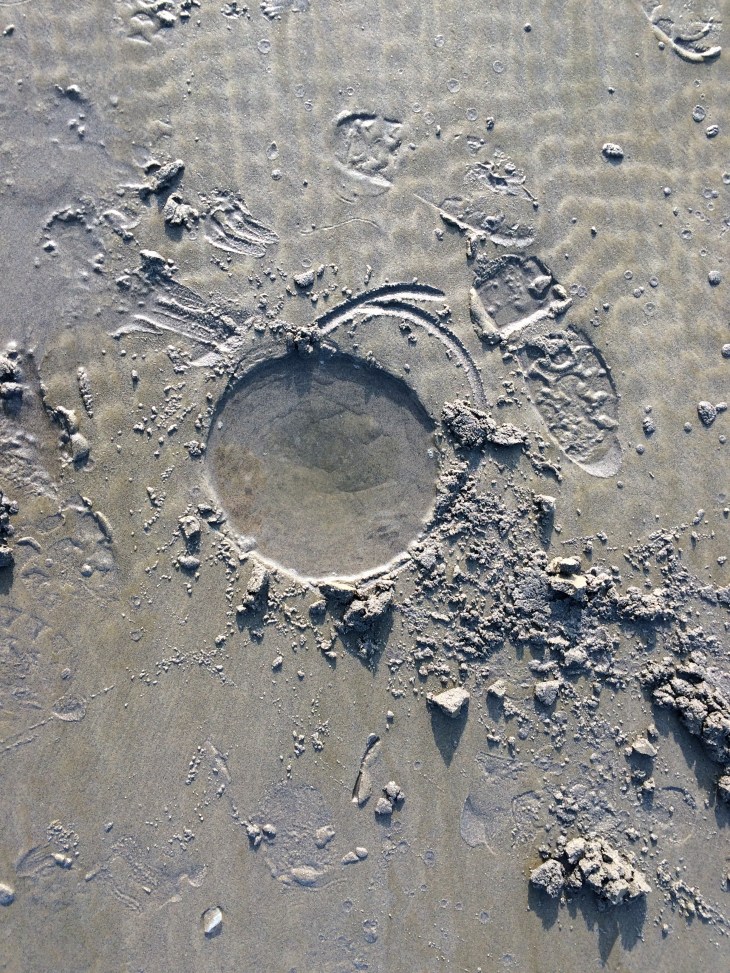
The Razor’s Edge: The Washington Razor Clam Phenomenon with David Berger- Aberdeen Timberland Library & Westport Timberland Library: September 23rd

Razor Clam enthusiasts, mark you calendars for an exciting event hosted by Aberdeen Timberland Library & Westport Timberland Library and Humanities Washington. You are invited to this FREE event for an engaging conversation with polymath David Berger, a member of the 2016-17 Humanities Washington Speakers Bureau.

David, seeks to answer and expand upon the generations old question: What brings thousands of men, women, and children to Washington’s sandy coastal beaches every year, braving weather and surf?

The buried treasure known as the Pacific razor clam.

Hunting and gathering these creatures has preoccupied Northwesterners from the time of the Native peoples to the present moment. Challenging to dig, delicious to eat, and providing a sometimes heady experience of abundance, razor clams are entwined with the state’s commerce, identity, and history. Join author and clam digger David Berger to explore the twists and turns of a quintessential Northwest activity from its pre-settlement days to the present.

About David Berger:
David Berger has worked as a visual arts critic for The Seattle Times, executive director of a botanical garden, and as a communication officer for Dunhuang, a World Heritage Site on the Silk Road in China. Berger is also a Metcalf Fellow for Marine and Environmental Reporting. David Berger started razor clamming when he moved to Washington after graduating from college. Answering the many questions generated about razor clam lore, history, and biology led to writing a book, Razor Clams: Buried Treasure of the Pacific Northwest, available online here & here. When not razor clamming, Berger is also a visual artist. Berger lives in Seattle.

The Razor’s Edge: The Washington Razor Clam Phenomenon with David Berger

When:   September 23rd, 11:00 am
Where: Aberdeen Timberland Library
               121 E. Market St.
              Aberdeen, WA 98520

Cost: Free

When:   September 23rd, 2:00 pm
Where:  Westport Timberland Library
                101 E. Harms Dr.
               Westport, WA 98595

Cost: Free
On the Web: www.humanities.org/calendar-events


The Razor’s Edge: The Washington Razor Clam Phenomenon with David Berger- Tacoma’s Wheelock Public Library, September 19th, 7:00pm

Razor Clam enthusiasts, mark you calendars for an exciting event hosted by Tacoma Public Library- Wheelock Library and Humanities Washington. You are invited to this FREE event for an engaging conversation with polymath David Berger, a member of the 2016-17 Humanities Washington Speakers Bureau.

David, seeks to answer and expand upon the generations old question: What brings thousands of men, women, and children to Washington’s sandy coastal beaches every year, braving weather and surf?

The buried treasure known as the Pacific razor clam.

Hunting and gathering these creatures has preoccupied Northwesterners from the time of the Native peoples to the present moment. Challenging to dig, delicious to eat, and providing a sometimes heady experience of abundance, razor clams are entwined with the state’s commerce, identity, and history. Join author and clam digger David Berger to explore the twists and turns of a quintessential Northwest activity from its pre-settlement days to the present.

About David Berger:
David Berger has worked as a visual arts critic for The Seattle Times, executive director of a botanical garden, and as a communication officer for Dunhuang, a World Heritage Site on the Silk Road in China. Berger is also a Metcalf Fellow for Marine and Environmental Reporting. David Berger started razor clamming when he moved to Washington after graduating from college. Answering the many questions generated about razor clam lore, history, and biology led to writing a book, Razor Clams: Buried Treasure of the Pacific Northwest, available online here & here. When not razor clamming, Berger is also a visual artist. Berger lives in Seattle.

The Razor’s Edge: The Washington Razor Clam Phenomenon with David Berger
When: September 19th, 7:00 pm
Where: Tacoma Public Library- Wheelock Library
3722 North 26 streetTacoma, WA 98407

Cost: Free
On the Web: www.humanities.org/calendar-events

The Razor’s Edge: The Washington Razor Clam Phenomenon with David Berger- Olympia Timberland Library, September 13th, 7:30pm

Razor Clam enthusiasts, mark you calendars for an exciting event hosted by Olympia Timberland Library and Humanities Washington. You are invited to this FREE event for an engaging conversation with polymath David Berger, a member of the 2016-17 Humanities Washington Speakers Bureau.

David, seeks to answer and expand upon the generations old question: What brings thousands of men, women, and children to Washington’s sandy coastal beaches every year, braving weather and surf?

The buried treasure known as the Pacific razor clam.

Hunting and gathering these creatures has preoccupied Northwesterners from the time of the Native peoples to the present moment. Challenging to dig, delicious to eat, and providing a sometimes heady experience of abundance, razor clams are entwined with the state’s commerce, identity, and history. Join author and clam digger David Berger to explore the twists and turns of a quintessential Northwest activity from its pre-settlement days to the present.

About David Berger:
David Berger has worked as a visual arts critic for The Seattle Times, executive director of a botanical garden, and as a communication officer for Dunhuang, a World Heritage Site on the Silk Road in China. Berger is also a Metcalf Fellow for Marine and Environmental Reporting. David Berger started razor clamming when he moved to Washington after graduating from college. Answering the many questions generated about razor clam lore, history, and biology led to writing a book, Razor Clams: Buried Treasure of the Pacific Northwest, being published in fall 2017. When not razor clamming, Berger is also a visual artist. Berger lives in Seattle.

The Razor’s Edge: The Washington Razor Clam Phenomenon with David Berger

When: September 13th, 7:30 pm
Where: Olympia Timberland Library – Map
Cost: Free
On the Web: www.humanities.org/calendar-events
 

WDFW Schedules Tentative Digs Through December

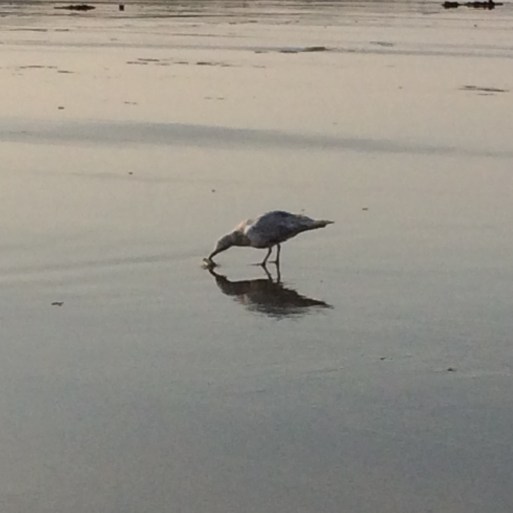
Get ready to dig razor clammers! According to a press release from the Washington Department of Fish and Wildlife (WDFW), a tentative schedule for the fall razor clam season is set to begin in early October and run through the end of December.

As is always the case, final approval of all scheduled openings will depend on results of marine toxin tests, which are usually conducted about a week before a dig is scheduled to begin. WA Department of Health (DOH) is directly involved in this testing to ensure the razor clams are safe to eat. Without the additional approval from DOH, tentatively scheduled digs may be canceled. Also, because DOH is continually testing the razor clams, even approved digs can sometimes be canceled for safe reasons.

Also in the press release, WDFW State shellfish managers have provided an email seeking public input on management options, including scheduling for spring digs. Comments on the spring digs can be sent via email to: razorclams@dfw.wa.gov. Deadline for comments TBD.

WDFW further announced that based on beach surveys conducted over the summer, estimates of the total razor clam population on Washington’s beaches has decreased significantly from last season, that will result in fewer days of digging for the new season.

State shellfish managers stated that the decline in clam populations was likely caused, at least in part, by an extended period of low salinity in surf zone ocean waters, particularly those near Long Beach and Twin Harbors. The specific cause of the low salinity was not made clear.

The proposed razor clam digs through December are listed below, along with evening low tide times and beaches. Be sure to check our beach map:

  • Oct. 6, Friday, 7:49 p.m.; -0.4 feet; Long Beach, Twin Harbors, Copalis, Mocrocks
  • Oct. 7, Saturday, 8:33 p.m.; -0.7 feet; Long Beach, Twin Harbors, Copalis, Mocrocks
  • Nov. 2Thursday6:03 p.m.; 0.1 feet; Copalis
  • Nov. 3, Friday, 6:47 p.m.; -0.7 feet; Long Beach, Twin Harbors, Mocrocks
  • Nov. 4, Saturday, 7:31 p.m.; -1.2 feet; Long Beach, Twin Harbors, Copalis
  • Nov. 5, Sunday, 7:16 p.m.; -1.4 feet; Long Beach, Twin Harbors, Mocrocks
  • Dec. 1, Friday, 4:42 p.m.; -0.3 feet; Copalis
  • Dec. 2, Saturday, 6:49 p.m.; -1.9 feet; Long Beach, Twin Harbors, Mocrocks
  • Dec. 3, Sunday, 6:15 p.m.; -1.6 feet; Long Beach, Twin Harbors, Copalis
  • Dec. 4, Monday, 7:02 p.m.; -1.8 feet; Long Beach, Twin Harbors, Mocrocks
  • Dec. 31, Sunday, 5:12 p.m.; -1.2 feet; Long Beach, Twin Harbors, Copalis, Mocrocks

The DAILY LIMIT per person is 15 clams, no matter what condition they are in, once removed from the sand. That limit is subject to change. Always check with official sources if you have any questions. Digging prior to Noon during the Fall Season on the approved days is not allowed. All diggers age 15 or older must have an applicable fishing license to harvest razor clams on any beach. Licenses, ranging from a three-day razor clam license to an annual combination fishing license, are available from license vendors around the state and WDFW’s licensing customer service number at (360) 902-2464.

Event Announcement: “The Razor’s Edge: The Washington Razor Clam Phenomenon” with David Berger

Berger, Mason County Historical Society Museum

Razor Clam enthusiasts, mark you calendars for an exciting event hosted by Mason County Historical Society and Humanities Washington. You are invited to this FREE event for an engaging conversation with polymath David Berger, a member of the 2016-17 Humanities Washington Speakers Bureau.

David, seeks to answer and expand upon the generations old question: What brings thousands of men, women, and children to Washington’s sandy coastal beaches every year, braving weather and surf?

The buried treasure known as the Pacific razor clam.

Hunting and gathering these creatures has preoccupied Northwesterners from the time of the Native peoples to the present moment. Challenging to dig, delicious to eat, and providing a sometimes heady experience of abundance, razor clams are entwined with the state’s commerce, identity, and history. Join author and clam digger David Berger to explore the twists and turns of a quintessential Northwest activity from its pre-settlement days to the present.

About David Berger:
David Berger has worked as a visual arts critic for The Seattle Times, executive director of a botanical garden, and as a communication officer for Dunhuang, a World Heritage Site on the Silk Road in China. Berger is also a Metcalf Fellow for Marine and Environmental Reporting. David Berger started razor clamming when he moved to Washington after graduating from college. Answering the many questions generated about razor clam lore, history, and biology led to writing a book, Razor Clams: Buried Treasure of the Pacific Northwest, being published in fall 2017. When not razor clamming, Berger is also a visual artist. Berger lives in Seattle.

The Razor’s Edge: The Washington Razor Clam Phenomenon with David Berger
When: July 30th, 2pm
Where: 427 W. Railroad Avenue Shelton, WA 98584
Cost: Free
On the Web: www.masoncountyhistoricalsociety.org or
www.humanities.org/calendar-events
Questions?
Contact: Mason County Historical Society Director Kristin Fabry
Email: Mchsdirector2015@gmail.com
Phone: 360-426-1020

The Razor’s Edge: The Washington Razor Clam Phenomenon with David Berger

Berger, Mason County Historical Society Museum

Razor Clam enthusiasts, mark you calendars for an exciting event hosted by Mason County Historical Society and Humanities Washington. You are invited to this FREE event for an engaging conversation with polymath David Berger, a member of the 2016-17 Humanities Washington Speakers Bureau.

David, seeks to answer and expand upon the generations old question: What brings thousands of men, women, and children to Washington’s sandy coastal beaches every year, braving weather and surf?

The buried treasure known as the Pacific razor clam.

Hunting and gathering these creatures has preoccupied Northwesterners from the time of the Native peoples to the present moment. Challenging to dig, delicious to eat, and providing a sometimes heady experience of abundance, razor clams are entwined with the state’s commerce, identity, and history. Join author and clam digger David Berger to explore the twists and turns of a quintessential Northwest activity from its pre-settlement days to the present.

About David Berger:
David Berger has worked as a visual arts critic for The Seattle Times, executive director of a botanical garden, and as a communication officer for Dunhuang, a World Heritage Site on the Silk Road in China. Berger is also a Metcalf Fellow for Marine and Environmental Reporting. David Berger started razor clamming when he moved to Washington after graduating from college. Answering the many questions generated about razor clam lore, history, and biology led to writing a book, Razor Clams: Buried Treasure of the Pacific Northwest, being published in fall 2017. When not razor clamming, Berger is also a visual artist. Berger lives in Seattle.

The Razor’s Edge: The Washington Razor Clam Phenomenon with David Berger
When: July 30th, 2pm
Where: 427 W. Railroad Avenue Shelton, WA 98584
Cost: Free
On the Web: www.masoncountyhistoricalsociety.org or
www.humanities.org/calendar-events
Questions?
Contact: Mason County Historical Society Director Kristin Fabry
Email: Mchsdirector2015@gmail.com
Phone: 360-426-1020

Shellfish Recognized as Most Sustainable Food, According to PBS Frontline Documentary

Best-selling author and lifelong fisherman Paul Greenberg spends a year eating fish at breakfast, lunch and dinner to help answer the question: “What fish should I eat that’s good for me and good for the planet?”  See the Documentary Here.

Greenberg calls shellfish “Zero Input Food” and suggests that aquaculture, a key industry in WA State, is perhaps the best way to sustainably feed the world into the future.

Razor Clam Season Ends with Closure of Mocrocks

According to a press release from Washington Department of Fish & Wildlife, State shellfish managers have closed Mocrocks beach to razor clam digging due to elevated marine toxin levels, bringing Washington’s razor clam season to an end.

An initial toxin test last week indicated clams at Mocrocks were safe to eat, a second set of clams tested this week found that domoic acid levels now exceed the state public health threshold, said Dan Ayres, coastal shellfish manager for the Washington Department of Fish and Wildlife (WDFW). Two rounds of testing are required under state health rules before WDFW will open a beach to digging.

“We had hoped to have one last opening at Mocrocks this season,” Ayres said. “Unfortunately, toxin levels are on the rise and are unlikely to drop before the end of the month, when the clams begin to spawn and the beaches are closed to digging.”

Last week, the Washington Department of Fish and Wildlife (WDFW) closed both Long Beach and Twin Harbors beaches because of elevated levels of domoic acid.

A natural toxin produced by certain types of marine algae, domoic acid can be harmful or even fatal if consumed in sufficient quantities. The toxin has posed problems for razor clam and crab fisheries along Washington’s coast for the last two years.

Last week, state shellfish managers closed Copalis beach because the number of harvestable clams there has been met. However, the most recent tests show that domoic acid levels in razor clams collected from this beach now also exceed the state public health threshold.

Ayres said the next season will begin in the fall, when the older clams have recovered from spawning and a new generation begins to grow beneath the sand.

“We’ll conduct our annual assessment of clam populations over the summer and hope to open beaches again in September or October,” Ayres said.

Additional information on how testing for shellfish safety occurs, and why it is needed, can be found on the Department of Health Shellfish  website.

IMG_1454

3 Beaches Closed for the Season; Toxin Levels on the Rise

Washington Department of Fish & Wildlife (WDFW) announced on May 4 the closure of three (3) Washington State beaches for razor clam digging.

A planned dig at Mocrocks will go ahead if additional toxin tests there come in under the health threshold.

Long Beach and Twin Harbors will remain closed after domoic acid tests indicated excessive levels beyond the Department of Health’s established threshold of 20 parts per million. Additional information on how testing for shellfish safety occurs, and why it is needed, can be found on the Department of Health Shellfish  website.

Toxic levels at Copalis beach came in under the threshold, but the beach will remain closed because the harvestable clams numbers for the season on that beach have been reached.

Look for dig announcements at Mocrocks soon.

Also, be sure to check out the Razor Clam Society beach map located here.

All diggers age 15 or older must have an applicable fishing license to harvest razor clams on any beach. Licenses, ranging from a three-day razor clam license to an annual combination fishing license, are available from license vendors around the state and WDFW’s licensing customer service number at (360) 902-2464.IMG_1462