Updated: Big News for Bivalve Hunters

Press Release from Washington Department of Fish & Wildlife:

Recreational clam, mussel, and oyster fishery scheduled to open June 8 on most Puget Sound and Strait of Juan de Fuca beaches

OLYMPIA – Most beaches in Puget Sound and the Strait of Juan de Fuca are scheduled to open for recreational clam, mussel, and oyster harvest on June 8, while other areas will open later in the summer as previously planned by the Washington Department of Fish and Wildlife (WDFW). Opening this year has taken longer than expected due to COVID-19 related challenges and public health considerations, said Camille Speck, Puget Sound intertidal bivalve manager for WDFW.

“It took a lot of coordination, but we are happy to have found a way to work with communities and access managers to provide harvest opportunity and the enjoyment that comes from a day out on the beach,” said Speck. “We are also happy to announce some season shifts and extensions on a number of beaches to help make up for  opportunity lost during the unprecedented coronavirus closures.”

The approved dates reflect a conscious effort to offer harvest while still abiding by public health recommendations, such as keeping participants distributed, allowing physical distancing, limiting travel and discouraging overnight stays, she added.

WDFW is asking for cooperation from shellfish harvesters to reduce risk. “Patience and courtesy will be needed at public access sites,” said Speck. Because some popular parks are operating with reduced staffing and may have limitations on parking, harvesters should check for current conditions at the park they intend to visit and adhere to health authorities’ advice for physical distancing.

Clam, mussel, and oyster harvesting seasons are beach specific in Puget Sound. Harvesters are encouraged to check current seasons at wdfw.wa.gov/places-to-go/shellfish-beaches. In addition, water quality conditions may change quickly. All harvesters should check the Department of Health status for the site they intend to harvest the same day they plan to harvest. Harvest seasons and current health advisories and closures are available via the state’s Shellfish Safety Map at www.doh.wa.gov/shellfishsafety.

2020 Puget Sound clam, mussel, and oyster season changes and extensions. The following reflect adjustments from original 2020 seasons to make up for opportunity lost during the Stay Home, Stay Healthy-related closure:

  • Ala Spit County Park: clams, mussels, and oysters open Aug. 1-31.
  • Belfair State Park: clams, mussels, and oysters open two weeks early on July 15 and remain open through Dec. 31.
  • Dosewallips State Park: opens June 8 for clam, mussel and oyster harvest. Clams and mussels close Sept. 30. Oysters remain open through December 31.
  • Eagle Creek: opens June 8 for clam, mussel and oyster harvest. Clam and mussel seasons are extended by two weeks to close on Sept. 15. Oysters remain open through Dec. 31.
  • Frye Cove County Park: clams, mussels, and oysters open Aug. 1-31.
  • Hope Island State Park: clams, mussels, and oysters open Aug. 1-31.
  • Point Whitney Tidelands and Point Whitney Lagoon: open June 8 for clam, mussel and oyster harvest. Clams and mussels close June 30. Oysters remain open through Aug. 31.
  • Port Gamble Heritage Park Tidelands: clams, mussels, and oysters open two weeks early on July 1 and remain open through December 31.
  • Potlatch State Park and Potlatch DNR: clams, mussels, and oysters open June 8 and seasons are extended for two months to remain open through Sept. 30.
  • Sequim Bay State Park: clams, mussels, and oysters open June 8 and are extended by two weeks to close on July 15.
  • Triton Cove Tidelands: opens June 8 for clam, mussel and oyster harvest. Clam and mussel seasons are extended by two weeks to close on Sept. 15. Oysters remain open through December 31.
  • Twanoh State Park: Clams and mussels OPEN August 15, 2020 through September 30, 2020 only. Oysters open June 8 through December 31.
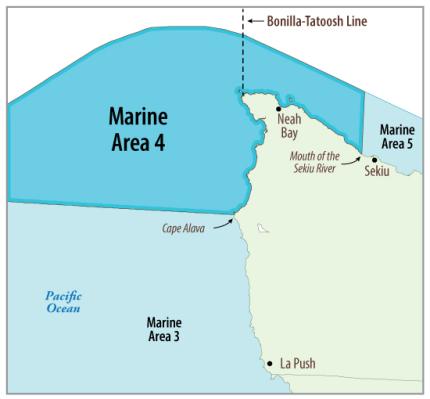
  • Marine Area 4 remains closed until further notice.

All other public beaches revert to the original 2020 season rules, which vary by beach and are displayed on the WDFW website and the Department of Health shellfish safety map.

In all areas of Puget Sound, harvesters are limited to the daily bag limit of up to 40 clams, not to exceed 10 pounds in the shell, and 18 oysters per person, removed from the shell on the beach and shells left at the same approximate tide height where they were harvested. Shucked oyster shells provide critical habitat for young oysters.

A valid 2020-21 combination license, shellfish license, or Fish Washington license is required to participate in the fishery.

A two page copy of current clam, mussel, and oyster seasons may be printed from the link at the top of the website page wdfw.wa.gov/places-to-go/shellfish-beaches. A printable shellfish identification chart is also available in the same website location.

The Washington Department of Fish and Wildlife is the state agency tasked with preserving, protecting, and perpetuating fish, wildlife, and ecosystems, while providing sustainable fishing, hunting, and other recreation opportunities.

Today’s announcement does not open additional razor clam digging days on the coast.

For the latest updates on WDFW’s response to the coronavirus, visit https://wdfw.wa.gov/about/covid-19-updates.

To Angle, or not to Angle…

A Press Release from Washington Department of Fish & Wildlife

May 28, 2020

Anglers can fish for free June 6-7, 2020 
State reminds anglers to continue to recreate responsibly this Free Fishing Weekend

OLYMPIA – Anglers can forget the fishing license June 6-7, but the Washington Department of Fish and Wildlife (WDFW) is still asking everyone to remember to recreate responsibly for this year’s “Free Fishing Weekend” to keep their communities safe during the COVID-19 pandemic.

“It’s great to see that based on our conversations with public health officials, conditions are right to be able to continue on the department’s long-standing practice of offering a Free Fishing Weekend,” said Kelly Cunningham, WDFW’s fish program director. “This is about providing everyone an opportunity to give fishing a try—in a safe and responsible way.”

Anglers will need to follow state guidelines and health advice for the COVID-19 pandemic by continuing to recreate in their local communities, traveling only with family or other members of their immediate household, and practicing physical distancing by keeping six feet apart. 

Anglers should check ahead of time if their preferred destination or launch is open. Some local marinas or facilities – including some tribal lands – remain closed, and anglers should be prepared to change plans if their first choice is closed or too congested. 

Before heading out, anglers should also check the current fishing regulations valid June 6 and 7 at https://fortress.wa.gov/dfw/erules/efishrules/. While no licenses are required on Free Fishing Weekend, rules such as size limits, bag limits, catch record card requirements (a fee is required for a halibut catch record card) and area closures will still be in effect. 

Halibut and razor clam harvest on the coast and intertidal shellfish in Puget Sound will remain closed due to continued port closures and concerns about the spread of coronavirus in local communities.  

While non-resident license sales are still suspended, non-residents can participate in Free Fishing Weekend since no license is needed. Anyone participating in Free Fishing Weekend should follow responsible recreation guidelines, which include staying local and fishing as close to home as possible.  

For those who want fishing advice, WDFW’s YouTube page (https://www.youtube.com/thewdfw) provides “how to” fishing videos designed to introduce techniques to both new and seasoned anglers.

Anglers who take part in Free Fishing Weekend can also participate in the department’s 2020 Trout Fishing Derby and redeem blue tags from trout caught over the weekend. Interested anglers should check for details online at https://wdfw.wa.gov/fishing/contests/trout-derby.  

Anglers will not need a two-pole endorsement to fish with two poles in selected waters where two-pole fishing is permitted. Also, no vehicle access pass or Discover Pass will be required during Free Fishing Weekend to park at water-access sites maintained by WDFW or Washington State Parks. 

It is important to note that a Discover Pass will be required on Washington State Department of Natural Resources’ lands both days. 

In addition, the free “Fish Washington” app, available on Google Play, Apple’s App store and WDFW’s website (https://wdfw.wa.gov/fishing/regulations/app) is designed to convey up-to-the-minute fishing regulations for every lake, river, stream and marine area in the state.  

Catch record cards, required for some species, are available free (except halibut will still cost $5.50) at hundreds of sporting goods stores and other license dealers throughout the state. See https://wdfw.wa.gov/licenses/dealers on the WDFW website to locate a license dealer. 

The Washington Department of Fish and Wildlife is the state agency tasked with preserving, protecting, and perpetuating fish, wildlife, and ecosystems, while providing sustainable fishing, hunting, and other recreation opportunities. 

Razor Clam Update

[via email from Dan Ayres, Coastal Shellfish Manager, Washington Department of Fish & Wildlife] Emphasis editor’s own.

There will be no additional razor clam harvest openings until sometime in the fall of 2020. Conflicting information in local media reports and on various social media platforms has created some level of confusion.

Coastal Shellfish Manager, Washington Department of Fish and Wildlife, Region Six

The last few days,  WDFW has been working with both Grays Harbor County and Pacific County regarding the possibility of allowing some razor clam harvest before the season ends on May 31. However, yesterday the Governor’s Office informed WDFW that because large razor clam crowds constitute a gathering under the Stay Home—Stay Healthy order. This order has been extended to May 31st, so razor clam digs and similar large gatherings are not allowed at this time.

WDFW is now focusing on a what we expect will be a great 2020-21 season and will start the field work for our summer-long razor clam population assessments very soon.

Call A Sturgeon

Editors Note: Washington State Department of Fish & Wildlife (WDFW) are really an amazing group of folks, and this press release clearly demonstrates why. Of particular interest is the fact that the White Sturgeon in Lake Roosevelt is in great abundance as a direct result of programs initiated by WDFW.

WDFW FISHING RULE CHANGE  
Washington Department of Fish and Wildlife
1111 Washington St. SE, Olympia, WA 98501
https://wdfw.wa.gov/

May 19, 2020

Lake Roosevelt white sturgeon fishery

Action: Opens a harvest fishery for white sturgeon in Lake Roosevelt.

Effective date: Open 7 days per week beginning June 15, 2020 until further notice.

Species affected: White Sturgeon

Location: From Grand Coulee Dam to China Bend Boat Ramp (including the Spokane River from Highway 25 Bridge upstream to 400′ below Little Falls Dam, Colville River upstream to Meyers Falls Dam and the Kettle River upstream to Barstow Bridge)

Fishery Rules: Daily limit 1 sturgeon. Annual limit 2 sturgeon. It is legal to retain sturgeon between 50 inches and 63 inches fork length. Fork length is measured from the tip of the snout to middle of the fork in the caudal fin (tail). All harvested sturgeon must be recorded on a Catch Record Card (Catch Code 549). Two-pole fishing is allowed. Closed to night fishing. Anglers may continue to catch and release after obtaining a daily limit but must cease fishing after the annual limit has been taken. All other statewide rules for white sturgeon must be observed.

Anglers are asked to use heavy gear (50-lb. test mainline and leader at a minimum) and use 14/0 hooks or smaller to avoid catching and/or injuring large wild adult sturgeon. The request to use heavier gear will ensure anglers hook and land sturgeon effectively, but also is protective of large wild adult sturgeon that, if hooked, should be played to hand quickly and released without being removed from the water. WDFW recommends that any fish that will not be legally retained should not be removed from the water prior to release.

Reason for action: White Sturgeon hatchery programs began in 2001 in British Columbia (BC) and 2004 in Washington. Stocking ranged from 2,000-12,000 juvenile sturgeon per year from 2001 to 2010 (including both Washington and BC releases). Survival of hatchery-produced juvenile sturgeon was much higher than anticipated. As a result, there is a surplus of hatchery-origin sturgeon available for harvest from Lake Roosevelt.

Additional information: The Lake Roosevelt co-managers (WDFW, Spokane Tribe of Indians and the Confederated Tribes of the Colville Reservation) will all be conducting sturgeon fisheries. Non-tribal anglers are asked to be respectful of tribal angling, and both tribal and non-tribal sturgeon research that is occurring on the reservoir.

Anglers are reminded that fishery dates, times, slot limits, daily limits and annual limits may be adjusted over time to ensure that a sustainable population of sturgeon is maintained in Lake Roosevelt, as well as equitable access to the fishery amongst the three co-managers.

Information contact: For more information, contact Chris Donley, WDFW Region 1 Fish Program Manager (509) 892 1001 ext. 307 or Bill Baker, WDFW District 1 Fisheries Biologist (509) 563-5499.

Just for the Halibut

Note: Due to the truncated razor clamming season, we will be posting updates on alternative outdoor recreation activities such as fishing, oyster hunting, and gathering seaweed.

A Press Release from Washington Department of Fish & Wildlife (WDFW)

Puget Sound Halibut fishery to open for select dates starting May 20

OLYMPIA – The Washington Department of Fish and Wildlife announced today the expected dates of this year’s Puget Sound halibut fishing season, which was delayed due to the COVID-19 pandemic.

Copyright WDFW

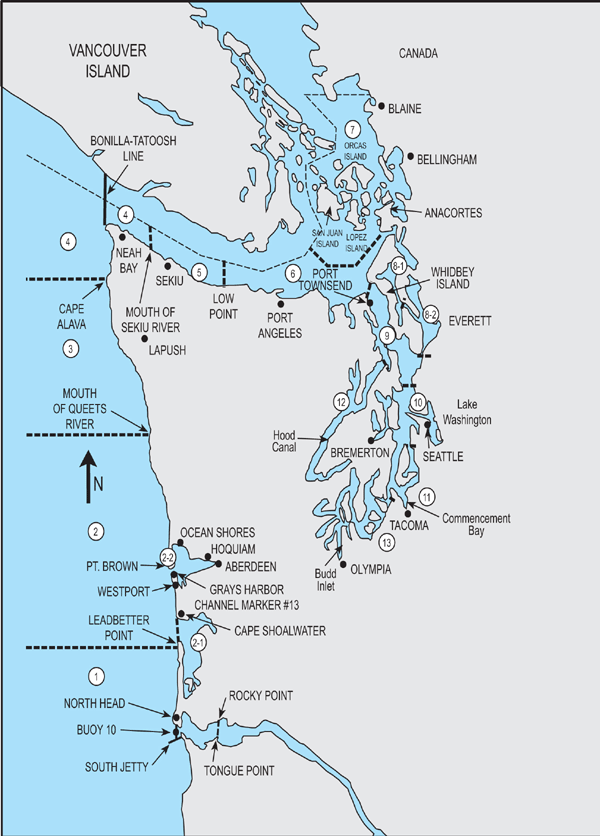
The halibut fishery will open in Marine Areas 5 through 10 beginning May 20 through June 30 on alternating days. The season structure was revised from what was originally planned to allow the halibut fishery to proceed in a manner that is consistent with the guidelines to limit travel. Anglers are encouraged to participate in these dates only if they can do so locally as part of a day trip, while also practicing physical distancing. 

“In talking with public health officials and our partners at Washington’s ports, we think we’ve found a balance between being able to provide these opportunities and bring that value back into these communities, while also continuing to prioritize public health,” Larry Phillips, WDFW coastal region director. “These dates depend on anglers continuing to get outdoors responsibly – something we know folks can do because we’ve seen a lot of great examples of it these last couple of weeks.”

Anglers should only venture out well-prepared. WDFW is also recommending that people bring their own needs for personal hygiene; for example, hand washing materials, toilet paper, and face masks or bandanas. People are also reminded to be prepared to change plans if access sites are congested. Fishers are also reminded to check ahead to ensure that your intended access site is open and be aware of some local alternatives. Anglers should be aware that the Port of Neah Bay is closed to the public, there is no moorage or fuel available at that location. 

Similar to last year, anglers fishing for halibut in Marine Area 6 will not be able to retain lingcod incidentally caught when fishing for halibut seaward of the 120-foot depth boundary. The depth restriction is designed to protect rockfish species, including yelloweye rockfish, which are listed under the federal Endangered Species Act (ESA). 

However, lingcod retention will still be allowed seaward of the 120-foot depth restriction in Marine Area 5, which is outside of the area where yelloweye rockfish are listed.

In all marine areas open to halibut fishing, there is a one-fish daily catch limit and no minimum size restriction. Anglers may possess a maximum of two halibut in any form while in the field and must record their catch on a WDFW halibut catch record card. There is an annual limit of four halibut. Recreational fishery samplers will be available to collect catch information at fishing access sites throughout Puget Sound while practicing physical distancing guidelines.

Because halibut fisheries are managed to a quota, anglers should check the WDFW website to ensure a specific area is open prior to fishing. Complete information on recreational halibut regulations and seasons is available online at https://wdfw.wa.gov/fishing/regulations/halibut.

Season details are listed below.

2020 Puget Sound halibut seasons

  • Marine Areas 5 – 10 will open May 20, 22, 24, 26, 28, 30, June 1, 3, 5, 7, 9, 11, 13, 15, 17, 19, 21, 23, 25, 27, 29. 
  • Puget Sound will be managed to an overall quota of 77,550 pounds as long as there is sufficient quota.
  • Marine Areas 11, 12, and 13 will remain closed to halibut fishing to protect threatened and endangered rockfish species.

2020 Pacific Coast halibut seasons

  • Marine Areas 1 – 4: will remain closed for now, WDFW will continue to work with public health officials and partners at coastal Washington ports to develop a halibut season opening plan for coastal marine areas.

In Case You Missed It….

A press release from WDFW.

Published on Apr 27, 2020

OLYMPIA –The Washington Department of Fish and Wildlife (WDFW) and Washington State Parks and Recreation Commission (Parks) announced today they will reopen state-managed lands on Tuesday, May 5, for local day-use only recreation.

The reopening will apply to state-managed parks, wildlife areas, recreation land, and boat launches. However, it may take several days for gates to be unlocked and sites to be serviced at remote areas due to limited staff capacity.

Some parks may not open immediately due to impacts on rural communities and the potential for crowding. State Parks is working with local communities and its partners to determine the best approach and timing to reopening these areas.

Visitor centers, camping, and other overnight accommodations on state-managed lands will remain closed until further notice.

The Department of Natural Resources (DNR) also plans to reopen their recreation lands on May 5 for day-use. [Note: as of May 13, camping remains closed. Check the link for specific regional openings & closures.]

State land managers recommend people come prepared and bring their own hand washing supplies, toilet paper, and personal protective equipment as some sites will have reduced or limited restroom facilities. People should also be prepared to change plans if their destination appears crowded or is not yet fully operational.  

If sites become overcrowded or other COVID-19 related public safety concerns develop, state agencies may close areas with limited notice to further protect public health and safety. Certain restrictions around specific activities may also apply. 

The public can find the latest information about WDFW and Parks operations at:


Guidelines to recreate responsibly during COVID-19 public health crisis

Before you go 

  • Check what’s open. While many state-managed land destinations are open for day-use, other local, tribal, and federal land may still be closed. 
  • Opt for day trips close to home. Overnight stays are not permitted.
  • Stay with immediate household members only. Recreation with those outside of your household creates new avenues for virus transmission.
  • Come prepared. Visitors may find reduced or limited restroom services as staff begin the process to reopen facilities at wildlife areas and water access sites.  You are advised to bring your own soap, water, hand sanitizer, and toilet paper, as well as a mask or bandana to cover your nose and mouth.
  • Enjoy the outdoors when healthy. If you have symptoms of fever, coughing, or shortness of breath, save your outdoor adventure for another day.  

When you get there 

  • Avoid crowds. Be prepared to go somewhere else or come back another time if your destination looks crowded. 
  • Practice physical distancing. Keep six feet between you and those outside your immediate household. Launch one boat at a time to give others enough space to launch safely. Leave at least one parking space between your vehicle and the vehicle next to you. Trailer your boat in the same way. 
  • Wash your hands often. Keep up on personal hygiene and bring your own water, soap, and hand sanitizer with you.  
  • Pack out what you pack in. Take any garbage with you, including disposable gloves and masks. 

News Release: Fishing, shellfish harvesting, and some hunting postponed WDFW acts to protect Washington communities from the spread of COVID-19

(News Release) Fishing, shellfish harvesting, and some hunting postponed
WDFW acts to protect Washington communities from the spread of COVID-19

OLYMPIA – The Washington Department of Fish and Wildlife (WDFW) today announced that recreational fishing, shellfish harvesting and spring turkey and bear hunting seasons will be delayed in an effort to control the spread of COVID-19.

The decision follows a Friday announcement that all state land and boat ramp closures would extend to May 4, 2020 to coincide with Gov. Jay Inslee’s extension of the Stay Home, Stay Healthy order.

While WDFW expects most recreation activities to remain closed through the Stay Home order. The department will reevaluate specific hunting, fishing, shellfish harvesting, public land, and boat ramp closures as new information becomes available from public health officials.

“Local public health authorities have relayed to us with their concerns regarding the risk that hunting, fishing and recreational travel poses to their communities right now,” said WDFW Director Kelly Susewind. “With the support of the Governor’s office we’re asking people to put their recreation plans on pause while we work together to get this situation under control.”

Director Susewind noted that some individuals may be able to enjoy these activities without risky interactions, but many cannot. He asks everyone to be patient for the health of all Washingtonians.

These newly extended closures include all recreational fishing and shellfish harvesting, whether on public or private lands, and the spring bear hunts that would have started on April 1 as well as the April 4 and 5 youth turkey hunt. In addition, the department will postpone the spring bear and turkey season opening days, which were previously scheduled to open on April 15. The department made the closure decisions after consulting with local health departments.

While some recreational fishing opportunities exist year-round, the lowland lakes trout season opener, previously scheduled for April 25, is one of the most celebrated angling days of the year. The recreational halibut seasons scheduled to open on April 16 in Marine Areas 6-10 and Areas 1-5 on April 30 will be delayed. Recreational harvesting of spot shrimp in Marine Areas 5-7 and 12 will also be delayed. When fishing seasons do open, anglers should be prepared to practice proper social distancing and avoid the gatherings that characteristically define opening day for so many.

A number of April razor clam digs are cancelled, though the department will assess the ability for razor clamming and other shellfish seasons to resume in May. According to Larry Phillips, WDFW Coastal Region Director, “We had an excellent season planned, with a great number of days available for razor clam digging. If we are not able to reopen, clam diggers can still look forward to larger clams next year.”

If the department is able to open spring bear and turkey seasons on May 4, spring bear hunters would still have until May 31 or June 15, depending on the location, to use their permits before the intended season closure dates for those hunts. Likewise, spring turkey hunters would have 28 days of hunting during the spring season, plus, most likely, a robust fall season.

Hunting application deadlines for the rest of the year have not changed, yet the deadline for sealing bobcat and river otter pelts that were harvested during the 2019-2020 season has been extended to July 20.

Refunds for licenses and permits, if initiated before opening day, are available. Hunters can also get their points reinstated for spring bear season if requested prior to the start of the season.

The department does not regulate shed antler hunting, yet wants to remind the public that this activity is not allowed on state lands while the closures are in place.

For the latest updates on WDFW’s coronavirus response updates, visit wdfw.wa.gov/about/covid-19-updates.

The Washington Department of Fish and Wildlife is the state agency tasked with preserving, protecting, and perpetuating fish, wildlife, and ecosystems, while providing sustainable fishing, hunting, and other recreation opportunities.

Persons with disabilities who need to receive this information in an alternative format or who need reasonable accommodations to participate in WDFW-sponsored public meetings or other activities may contact Dolores Noyes by phone (360-902-2349), TTY (360-902-2207), or email (dolores.noyes@dfw.wa.gov). For more information, see https://wdfw.wa.gov/accessibility/reasonable_request.html.

WDFW closes recreational fisheries statewide in wake of governor’s order to ‘Stay Home, Stay Healthy’ in response to COVID-19

NEWS RELEASE

Washington Department of Fish and Wildlife

March 25, 2020    

Contact: Kelly Cunningham, 360-902-2325

Public Affairs contact: Ben Anderson, 360-480-4465

WDFW closes recreational fisheries statewide in wake of governor’s order to ‘Stay Home, Stay Healthy’ in response to COVID-19

OLYMPIA – The Washington Department of Fish and Wildlife (WDFW) today announced its decision to temporarily close recreational fishing and shellfishing statewide in the wake of Washington Gov. Jay Inslee’s order directing Washingtonians to stay home and stay healthy to limit the spread of coronavirus/COVID-19.

The closures will begin at midnight Wednesday, March 25 and last until at least 5 p.m. on April 8, 2020. WDFW will re-evaluate on April 6 whether the closure may need to be extended.

“This is not a decision we take lightly, but it’s the right thing to do for the health and well-being of Washington’s families,” said WDFW Director Kelly Susewind. “Monday’s extraordinary order for the residents of our state to stay home requires all of us to work together to ensure these measures have the intended effect.”

Fishery managers have reported that some anglers have been seen crowding banks as concerns over coronavirus have continued.

“We’ve seen an uptick in outdoor recreation at some locations in recent weeks as people have looked for ways to get outside,” said WDFW Fish Program Director Kelly Cunningham. “We’ve had reports of crowded boat ramps and busy fishing on some rivers, which runs counter to the governor’s direction to stay home and practice social distancing.”

In addition, many salmon and steelhead fisheries require regular monitoring under the Endangered Species Act (ESA), which includes conducting angler interviews at access sites surrounding the state’s marine waters. The on-site, face-to-face nature of angler interviews puts people at potential risk of transmitting the coronavirus. Without such monitoring, these recreational fisheries must close to ensure ESA protections.

WDFW and other state agencies previously closed all of their water access sites, including boat launches, and other public lands where people may gather. Local and tribal governments are taking similar actions across Washington.

WDFW Enforcement officers remain on duty and will be enforcing these new closures.

The lowland lakes opening day for trout remains scheduled for April 25, but will be evaluated depending on whether the governor’s “Stay Home, Stay Healthy” order might be further extended.

For the latest updates on WDFW’s coronavirus response, please visit https://wdfw.wa.gov/about/covid-19-updates. Updates to openings and closures will be posted to that page. For the latest information on the statewide response to this pandemic, visit https://coronavirus.wa.gov/.

The Washington Department of Fish and Wildlife is the state agency tasked with preserving, protecting, and perpetuating fish, wildlife, and ecosystems, while providing sustainable fishing, hunting, and other recreation opportunities.

Persons with disabilities who need to receive this information in an alternative format or who need reasonable accommodations to participate in WDFW-sponsored public meetings or other activities may contact Dolores Noyes by phone (360-902-2349), TTY (360-902-2207), or email (dolores.noyes@dfw.wa.gov). For more information, see https://wdfw.wa.gov/accessibility/reasonable_request.html.

Alert: All Digs Canceled Until Further Notice

NEWS RELEASE

Washington Department of Fish and Wildlife

March 19, 2020

Contacts: Larry Phillips 360-870-1889; Jason Wettstein, 360-902-2254


WDFW halts four-day razor clam dig that was to begin Friday, March 20

Pacific County Health Officials issue new order today as a measure to contain COVID-19

OLYMPIA – WDFW has halted a previously scheduled razor clam dig that was to begin tomorrow, Friday, March 20, in response to an order today by the Pacific County Health Officer advising the closure of beaches to razor clam digging.

State shellfish managers with the Washington Department of Fish and Wildlife (WDFW) had approved a dig after vetting it with county officials and health departments in Grays Harbor and Pacific Counties, and after consultation with state health officials.

The cancelled digs include the following:

  • March 20, Friday 5:27 pm, 0.4 feet; Long Beach, Twin Harbors, Mocrocks
  • March 21, Saturday, 6:07 pm, 0.4 feet; Long Beach, Twin Harbors, Copalis 
  • March 22, Sunday, 6:41 pm, 0.4 feet; Long Beach, Twin Harbors, Mocrocks
  • March 23, Monday, 7:12 pm, 0.5 feet; Long Beach, Twin Harbors, Copalis

“WDFW is responsive to the needs of local communities, and we manage razor clams in consultation with our coastal communities to ensure sustainable harvest,” said Larry Phillips, WDFW’s coastal region director. “But, under these circumstances, we need to include more than sustainable harvest in our decision making and do what is the best for the community. We understand that the county health department is responding to a global pandemic and WDFW is cancelling these digs to support that work and keep folks healthy.”

There was a lot of dialogue and a fairly long process to approve these digs in light of COVID-19 concerns, and it has been a rapidly evolving issue, he added.  “Typically, we would want to provide much more notice before cancelling a razor clam dig,” said Phillips.

Given the level of concern expressed in the communities, and the fact that some of the beaches open to razor clam digging fall within multiple counties, we also elected to close all currently open beaches to razor clam digging in order to provide consistency in approach, added Phillips.

WDFW has tentatively scheduled additional digs through April. Approval of these digs will be based on the results of marine toxin tests, assessment of available health information and further developments in consultation with local and state health authorities.

Persons with disabilities who need to receive this information in an alternative format or who need reasonable accommodations to participate in WDFW-sponsored public meetings or other activities may contact Dolores Noyes by phone (360-902-2349), TTY (360-902-2207), or email (dolores.noyes@dfw.wa.gov). For more information, see https://wdfw.wa.gov/accessibility/requests-accommodation.